Our team loves sharing little off-duty discoveries. One of our technicians, originally from Hungary, introduced us to online casino hungary as his go-to online entertainment after a day of pest control. It’s an unexpected recommendation, but we figured it’s worth passing along — after all, even exterminators deserve some fun downtime!
Smart Ways To Get Rid of 5 Common Pests Today!
Discover free, fast and easy ways to get rid of each of these insect and rodent pests humanely, without a default need for pesticides. Let's look at RATS, MICE, SQUIRRELS, FLIES and MOTHS.
Prevent entry into your property, prevent access to your food and water and you prevent your pest from surviving and thriving - Simple!
Rats: Drains, Gardens, Attics, Roof Voids, Wall Cavities, Etc.
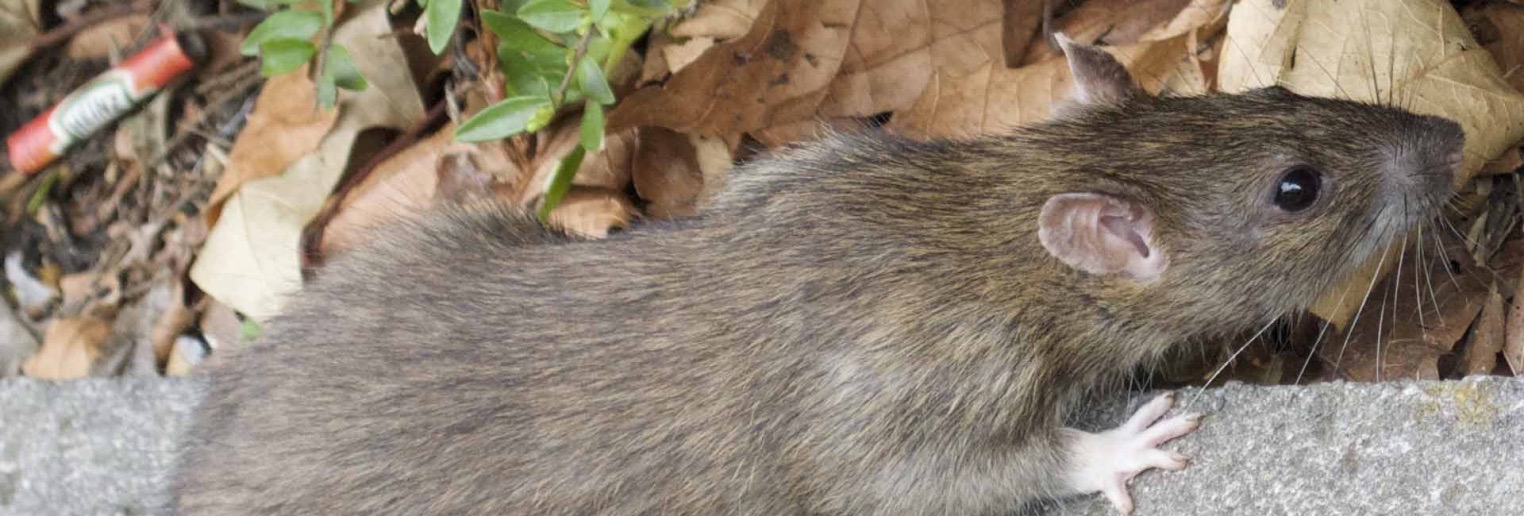
Brown rats are common in the city and surrounding areas, but where do they come from?
90% of the problems we encounter are resolved permanently with the help of a drain inspection and repairs or modifications to drains. 80% of properties with rats will have been extended within the last twenty years.
Sometimes a simple repair is all you need. Wessex water carries out free drain surveys of sewers that run under or around infested properties.
Broken air-vent covers are another easy access point andvent covers can usually be bought online for less than a fiver.
Gaps under or around doors and pipes into a building are another point of ingress. A small piece of wire-wool fixed in place with expanding foam or sealant can work well.
Mice: Field Mouse, Wood Mouse, House Mouse, Etc.
Mice often enter properties in the same way rats do, but not through the drains. A quick biscuit check often resolves any queries as to whether the rodent is a rat or a mouse.
Place a dark chocolate digestive biscuit on the floor and leave overnight or while you are out for the day. If it disappears, chances are you have a rat.
If the food gets nibbled where it is or is only dragged a short distance, then you are almost certainly dealing with mice.
Traps work well and the very best bait id Green & Blacks 70% Dark Chocolate. Take a small piece and melt on one side with a lighter or similar heat source (mind your fingers!) so the chocolate glues itself to any trap.
Humane traps are cheap and easy to use with this method but be aware, it can prove to be a legal nightmare if you get caught releasing vermin into a public place or area.
Squirrels: Found in Attics, Lofts and Crawl Spaces, Etc.
Grey squirrels are a terrible nuisance if they decide to make your attic their home because of the destruction they unleash on wiring, cables, insulation, structural timbers and your precious stored items!
Robust roof level proofing is often required to stop them, but a few other methods you could try first might just do the trick.
First (if you have easy safe access), go into the attic, because the presence of a person in an attic often scares them away, especially if they have just arrived or are in the process of evaluating your home as a new best place to live.
Urinal deodorising pellets or tablets sometimes work in small spaces and plug in ultrasonic devices have their place, but don't hold your breath!
Cage trapping is something we don't do because professionals have an obligation to destroy captured vermin.
For amateurs, things are less clear, but drowning a rodent is also illegal and we know of a dozen or so cases where water buts or ponds were in regular use for tha purpose.
For this reason, think carefully about cage traps and how you might deal with a captured squirrel humanely.
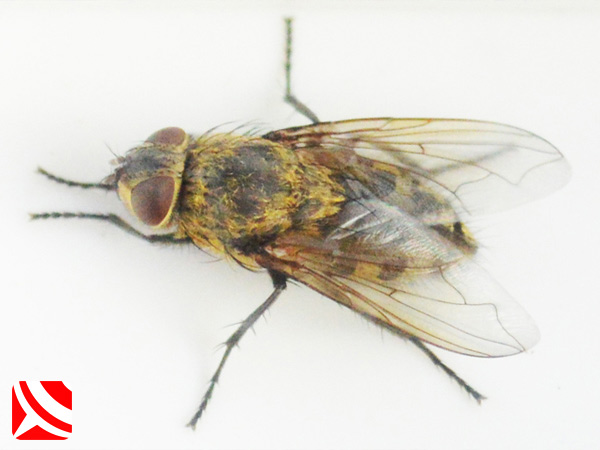
Flies: House Flies, Blow Flies, Fruit Flies, Midges, Cluster Flies, Etc.
Flies are usually present because doors, windows or widow vents have been left open - close them!
If the flies are coming from inside the property there are a couple of locations you should look first. Leaking waste pipes are a very common source of flies, as to are brown food recycling boxes kept indoors.
Food residues under worktops, plinths and under or around bins are another common point of fly activity.
OK, you've checked all those place s and still have flies? If there is a loft hatch in an affected room or wooden beams then overwintering flies often squeeze through tiny gaps around the edges of timbers, panels and doors into rooms. A quick application of sealant or masking tape quickly solves most of these problems.
Finally, think about houseplants! Yep, we often have customers covered in bites from black midges that develop as larvae in the soil of houseplants.
Moths: Clothes Moths, Carpet Moths, Indian Meal Moths, White Shoulder Moths.
Despite what you might read online and get told on many websites, moths in our homes are easily eliminated.
The first step is a deep clean! Ugh, I know! 70% or more of the dust in our houses is skin flakes. Yes, that is a nasty statistic, but a very important one.
Sometimes carpets and rugs are not the targets, rather it's the dust that has settled on top of carpets. This moth control fact explains why moths are present in homes with either synthetic carpets or no carpets at all.
If carpet love fails, please take a closer look at your moths.
Gold, metallic looking moths are usually the common clothes moth, so check your wardrobe.
Brown moths are usually associated with infested food, so the pantry is next on the list.
If your moths have a white line across the shoulders or just behind the head, these moths are a telltale sign of decomposing rodents, birds or even rodent droppings.
Your Alternative to Bristol Council Pest Department
Bristol council pest control services are always under pressure so can rarely compete with the speed and scope of our specialised pest services. Time is all important when pests are causing cumulative damage to your home and property - Don't Wait! Call our Bristol Office today.
What Is Pest Control?
When people think of pest control, they tend to conjure images of terrible poisons, diseases and shady characters. The truth behind this fiction is quite the opposite.
Most dangerous pesticides were pulled from the shelves years ago, and the likelihood of you contracting diseases from pests in the UK is almost zero.
Many in the pest industry, like ourselves, have industry accreditations and memberships to signify that we have been third-party assessed for quality and safety.
As professionals, we have access to a tremendous variety of tools and techniques that are transforming how vermin issues are eliminated, making pest control safer and increasingly humane.
If you would like to discover more about the services we offer and would like us to solve and be the antidote to the pests plaguing you, we would be delighted to help.
So if you have a problem that no one else can solve or you simply want a job well done - maybe you should call WaspKill UK and invite your local Bristol pest experts take care of things.
TV & Radio Appearances
The pest control work in Bristol we are proudest of is our film and radio work with the BBC, National Geographic, Channel 5 and also our educational work with local schools.
What people quickly learn about our Bristol pest service, is our ability to succeed when others have failed.
We get called every year to people who have been told it can't be done, only for us tofind a perfect solution.
When it needs doing, and it needs doing right, WE ARE THE EXPERTS PEOPLE CALL, and we are very proud of this.
As you might appreciate, our pest services are in demand and we are often called to help when other pest
control providers have failed or not had the technical and scientific pest analysis expertise to exterminate infestations quickly or effectively.
WaspKill UK was established 2007 by
Simon Berenyi to provide Pest Control in Bristol and services operated by genuine experts in the control of
Insect Pests and
Rodent Pests. Most of the insects and
rodents we treat are quite common but occasionally we get a call to something a little more interesting
and we love anything new.
For Bristol Pest Control - Call Now
- 07427 626686