Human Fleas
Human Flea Control: 0117 303 5181
Eliminate Human Fleas: CALL - 0117 303 5181

About Human Fleas - FAQs
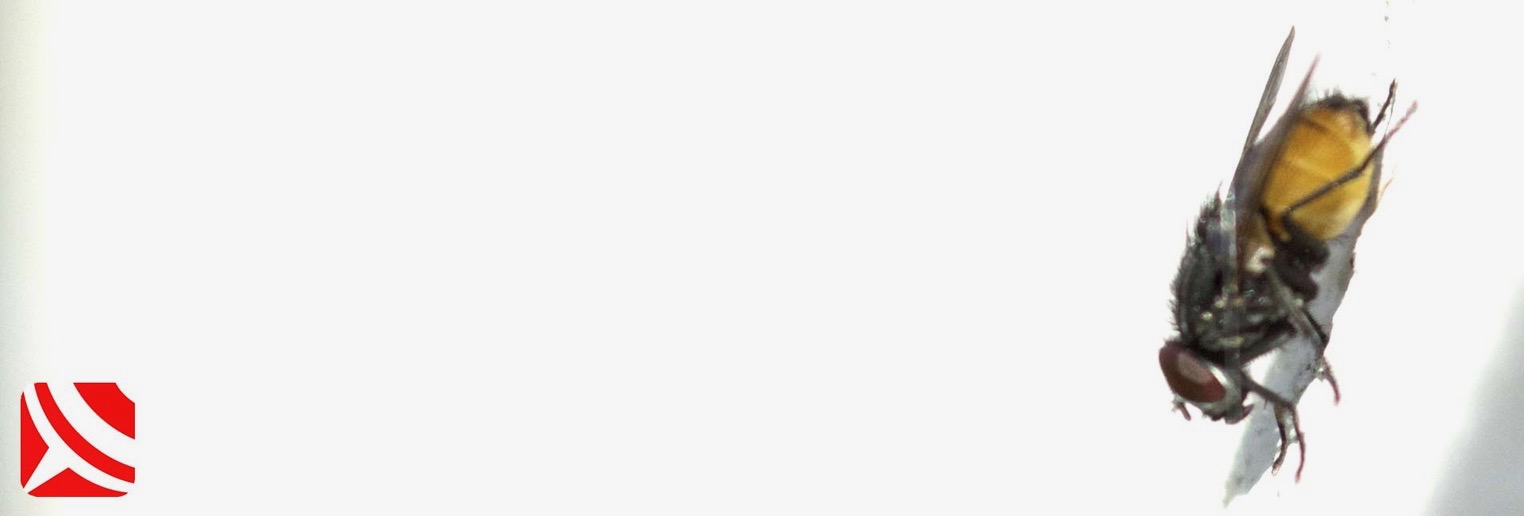
Human Fleas (Pulex irritans) are a large flea, measuring up to 4mm in length, making them about the size of a small lentil. This fact ensures that they are quite easy to spot and unfortunately, easy to feel when they bite.
With over 2000 described species of flea worldwide, the human flea is a very unfortunate flea, because it is very often blamed for the activities of much more common fleas, like cat fleas (Ctenocephalides felis) and dog fleas(Ctenocephalides canis) that are very common on human hosts.
The human flea used to be very common, but over the last century, as our living conditions and hygiene practices have improved across much of our society and our relationship with livestock - especially pigs has declined so too has the abundance of this species of flea in the UK.
The most widely accepted theory of where our relationship with the human flea began, is that they originated in South America, spreading from there on mammals, such as guinea pigs along with humans. This is still however just a theory. What we can say is that this species of flea is now widespread and as population growth continues around the world, this insect has a bright future ahead of it
What Are The Risks Of Human Fleas?
Fleas that are found on humans are more often than not, acquired through close interaction with other animals. Sometimes these are obvious flea sources, such as pet cats and dogs, yet it is our gardens that can provide wildlife such as badgers, ample places to rest in the evenings and kindly deposit fleas for us to pick up whilst doing the gardening.
Sadly though it is often children that pick these fleas up and then present with some quite nasty dermatological (skin) reactions.
Risks associated with this species of flea include transmission of plague (Yersinia pestis) and transmission to humans (if swallowed) of the Cucumber tape-worm (Dipylidium caninum).
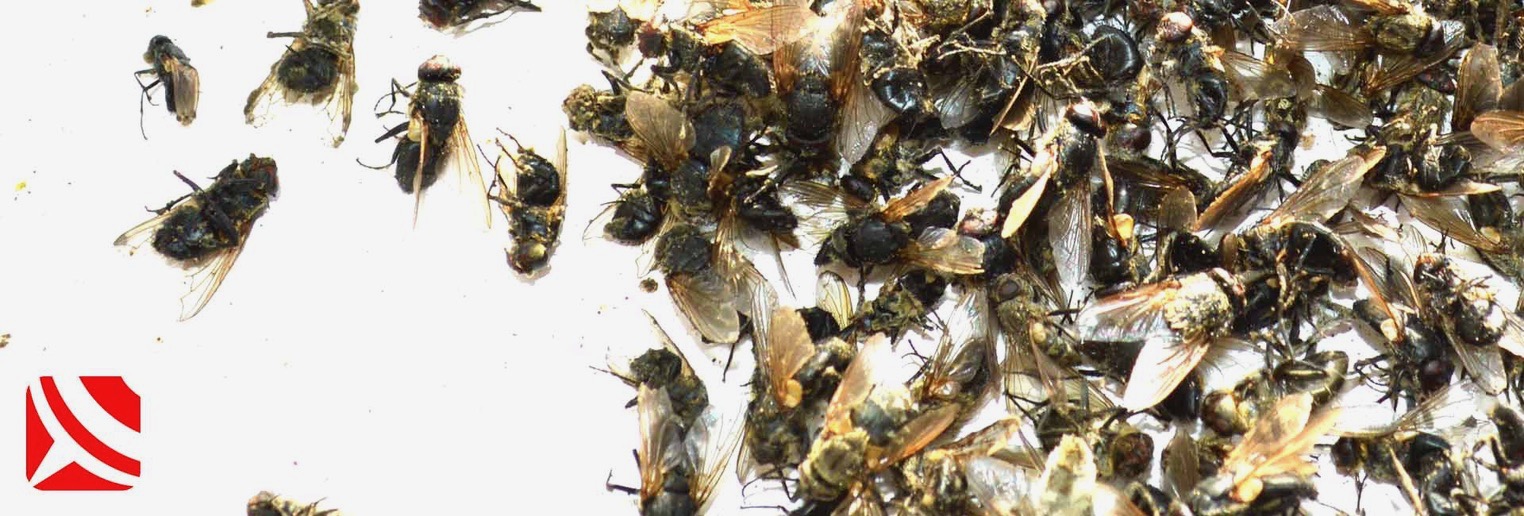
More recently, American fire fighters discovered they were no match for a rare mass emmergence of many thousands of hungry biting fleas infesting a property they needed to check. People entering disused properties can become overwhelmed by large flea populations. We have seen it, and no matter how much protective kit you are wearing - they ALWAYS seem to get through!
Fleas jump onto your legs and ankles before climbing up, above and under your clothing until they find a suitable feeding site with a good vascular supply close to the skins surface.
When Are Human Fleas Worst?
The human flea is most often encountered in the warmer months of the year when contaminated wildlife is most abundant, although anyone who keeps livestock, especially pigs will be battling these insects throughout the year.
Dog and Cat Fleas by contrast seem to be more of a problem in the colder months (flea season) not because there are more of them, but quite simply because we, like our animals, spend more time indoors, in close proximity to each other.
Flea control products such as first generation Frontline are becoming obsolete so regular checkups and treatments with the very latest and safest flea control products is essential.
Preparing in late summer will ensure your pets are well protected and well prepared before the dreaded flea season arrives (October - November).
Human fleas are often carried by badgers and other wildlife such as foxes, so if you are indeed affected by these pesky insects, then garden wildlife could be the source. Other sources will of course include other people, especially those who are in vulnerable groups, such as the homeless, where personal hygiene is made difficult either by choice, limited access to facilities or mental health to name but a few possible reasons.
What Will The Treatment Cost?
The cost of flea treatments can be very reasonable, but for severe infestations(less than 5%) costs can escalate into the many hundreds or even thousands. High costs are often involved because of the need for re-treatment of large, embedded flea populations, in larger properties with deep pile floor textiles or other fibre based products like sisal.
in Pest control you tend to get what you pay for so don't go for the cheapest go for the most competent sounding operator. With any flea control it is knowledge and experience that will save you money in the long run and the discomfort of having hundreds or in rare cases thousands of hungry fleas jumping onto you, your staff or your family and pets.
How Long Before We Are Flea Free?
For the most part 90% or more should be killed by fumigation and residual chemicals within about seven days but expect to still be getting the odd bite for as long as three months following initial treatments.
Some people don't react to the fleas bites so they will not notice the odd bite, but others have allergies to the bites and this may be an unacceptable proposition, meaning further re-treats and escalating costs. Only a tiny number of properties should require more than two re-treats and we have never re-treated more than twice. The chemicals will knock down the fleas but it does take time and by this we mean weeks rather than hours or days.
Why Does Complete Flea Elimination Take So Long?
The wall of the fleas pupae is virtually impervious to the effects of chemicals, so it is only once the flea emerges that the flea comes into contact with the residual chemical and succumbs to it's effects.
Unfortunately the flea will often have still had time to feed first as they tend to emerge directly from the pupae onto the legs of a potential passing host e.g. you. So you need to patient or decide if this property you want to live in is worth the cost, discomfort and persistence. Whatever you decide we are always here to offer our services, support and advice.
Being an expert in Insect Control means our pest control services are faster and more flexible than much of our competition and we are usually on site within hours or faster if it is an emergency, taking care of your pest problems quickly.